




Rating: ⭐ 3.5 / 5
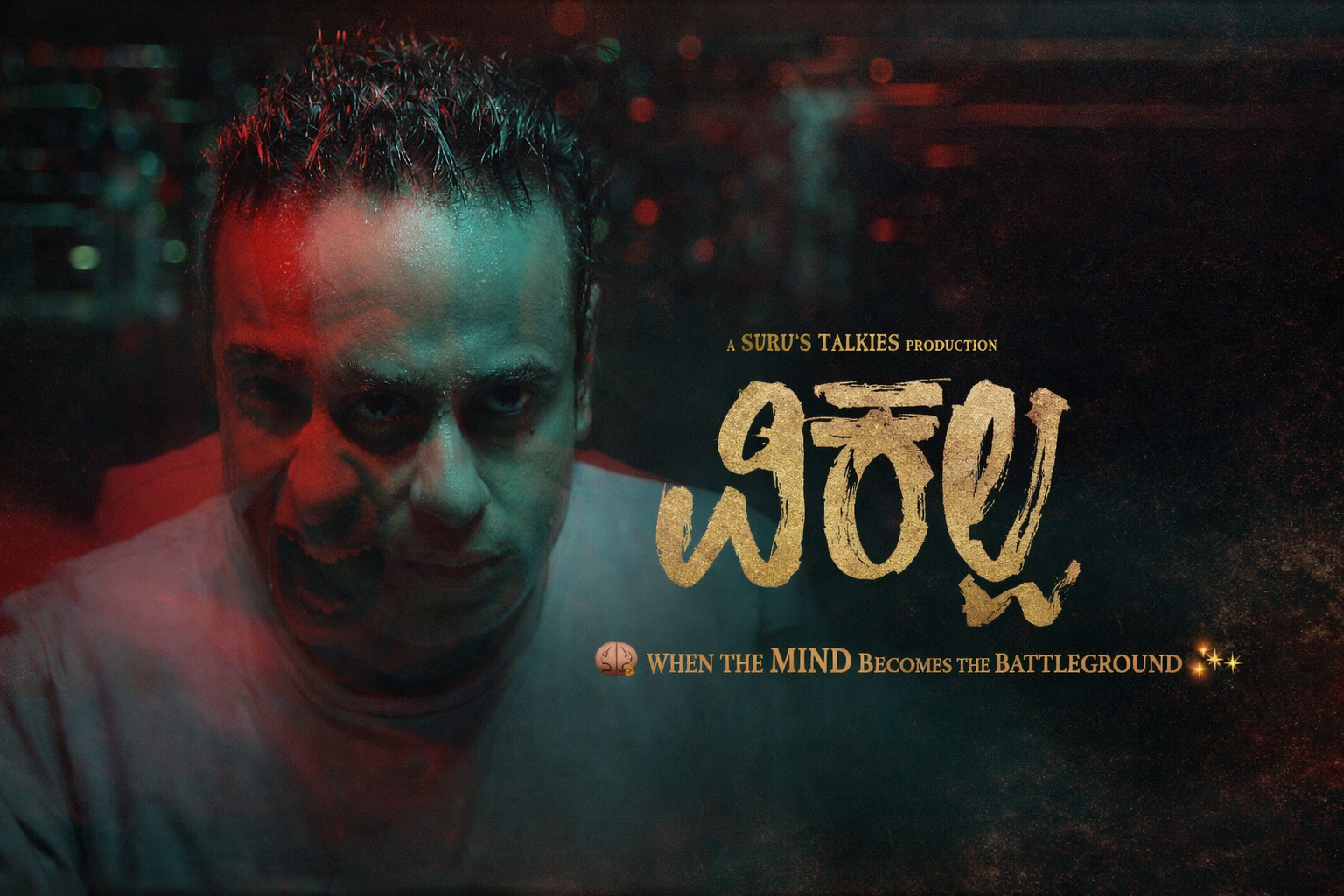
In an era where psychological thrillers often rely on shock value or borrowed tropes, Vikalpa stands apart by grounding its fear in emotion, memory, and cultural identity. Marking a confident debut, Pruthviraj Patil announces himself not merely as a filmmaker with ambition, but as a storyteller with something personal to say.
Balancing the dual responsibility of direction and acting as the protagonist, Pruthviraj delivers a film that is introspective, layered, and rooted in lived experience. Vikalpa is not just about fear—it is about choice, consequence, and the psychological weight of unresolved pasts.
🧠 Story & Themes
At its core, Vikalpa explores the fragile boundary between the mind and memory. The narrative unfolds deliberately, allowing the audience to sink into the protagonist’s mental landscape rather than rushing toward conventional thrills. This slow-burn approach may test the patience of viewers seeking instant gratification, but it rewards those willing to immerse themselves in atmosphere and subtext.
The film’s central conflict revolves around inner battles—guilt, love, trauma, and responsibility—making the horror deeply psychological rather than purely visual. Fear here is not external; it is intimate, creeping, and disturbingly familiar.
🎭 Cultural Depth & Yakshagana Integration
One of Vikalpa’s most striking achievements is its use of Yakshagana, the traditional art form of Dakshina Kannada, not as decorative folklore but as a narrative and emotional device. The cultural backdrop lends authenticity and symbolic weight to the story, enhancing the psychological tension.
A standout moment—both emotionally and cinematically—is the Yakshagana performance arranged for the protagonist’s ailing mother. This sequence transcends genre, becoming a soulful meditation on love, memory, and filial devotion. It is moments like these that elevate Vikalpa from a genre film to a deeply human experience.
🎬 Performances
Pruthviraj Patil delivers a restrained yet intense performance, effectively conveying internal conflict without resorting to melodrama. His portrayal feels lived-in, making the character’s psychological unraveling believable and affecting.
The chemistry between Pruthvi and Nagashree Hebbar (Samudyata) brings warmth and emotional grounding to the narrative. Their relationship provides balance, preventing the film from becoming overwhelmingly dark.
Adding levity at just the right moments, Ganapathi Hegde Vaddinagadde delivers well-timed humour that feels organic rather than forced. These lighter beats act as emotional breathing spaces, enhancing rather than disrupting the film’s rhythm.
📽️ Direction, Cinematography & Technical Aspects
For a debut filmmaker, Pruthviraj’s control over tone and pacing is commendable. The cinematography effectively mirrors the protagonist’s mental state, using eerie lighting, shadow play, and unsettling compositions to build unease. Horror sequences are tastefully shot—suggestive rather than excessive—relying on mood instead of jump scares.
The background score complements the film’s psychological tension without overpowering it, while the editing supports the slow, immersive storytelling style.
⭐ Final Verdict
Vikalpa is not a film designed to please everyone—and that is its strength. It chooses depth over spectacle, emotion over noise, and cultural identity over formula. While it may not cater to fans of loud, action-driven cinema, it offers a rewarding experience for viewers who appreciate psychological thrillers with substance and soul.
🎭 If you enjoy suspense-driven stories enriched with cultural roots and emotional honesty, Vikalpa is well worth your time.
Rating: ⭐ 3.5 / 5
A thoughtful, atmospheric psychological thriller that stays with you long after the credits roll
